Making India Self-Reliant Through
STEM, Robotics & AI Education
Providing students with practical skills, fostering young thinkers, and creating leaders to build a greater nation. The foundation of Skill India and Make in India starts at the school level.
Pillar of Skill & Make in India
To succeed globally in the Make in India mission, we cannot rely on imported know-how. We must generate local technological leaders starting from early schooling.
- Hands-on Tech: Moving away from rote learning to dynamic tinkering and circuit-assembly.
- Aerodynamics: RC Planes and Drone shows demonstrating physical maths and mechanical forces.
- Applied AI: Preparing young minds to understand patterns, models, and cognitive machine systems.
Ecosystem of Self-Reliance
Our ultimate goal is to nurture talents that will drive India to become completely independent in critical, cutting-edge industries.
- Semiconductors: Understanding basic circuitry, logic gates, and chip architecture principles.
- Pharmaceuticals & Biotech: Fostering mathematical and analytical curiosity required for drug discovery.
- Nano Technology: Cultivating scientific precision and material chemistry appreciation.
Our Core Vision
"To provide the right skill set, ignite the passion of young thinkers, and build the future technical leaders who will construct a self-reliant and highly advanced India."
Market-Aligned STEM & Tech Modules
Integrating the latest technological trends to prepare students for the demands of the modern industrial landscape.
Generative AI & LLMs
Introduction to Large Language Models (LLMs), prompt engineering, safe AI design, and using foundational AI models to write code and generate solutions.
Robotics & Semiconductor
Fostering hands-on logic, microcontroller integration, chip architectures, and early exposure to semiconductor fabrication and prototyping concepts.
IoT & Smart Telemetry
Interfacing ESP32/Arduino microcontrollers with moisture, temperature, and ultrasonic sensors to publish live telemetry datasets to cloud dashboards via MQTT protocol.
Automation
Designing and programming smart sensing, actuators, motor driver loops, and building self-regulating electromechanical systems.
3D Printing & CAD Design
Teaching students to model shapes in CAD software, prepare files using slicers, and operate physical 3D printers to turn ideas into physical parts.
Cybersecurity & Encryption
Introducing network protocols, firewall configurations, secure coding guidelines, encryption keys, and essential safety measures against cyber threats.
AR/VR & 3D Environments
Creating spatial interfaces, designing virtual labs using game engines, and implementing immersive 3D simulation tools to explore complex physical processes.
Data Science & Python
Learning numerical computation, plotting graph variables using Matplotlib/Seaborn, cleaning datasets, and implementing simple regression algorithms in Python.
Outreach Showcase: Highlights & Media
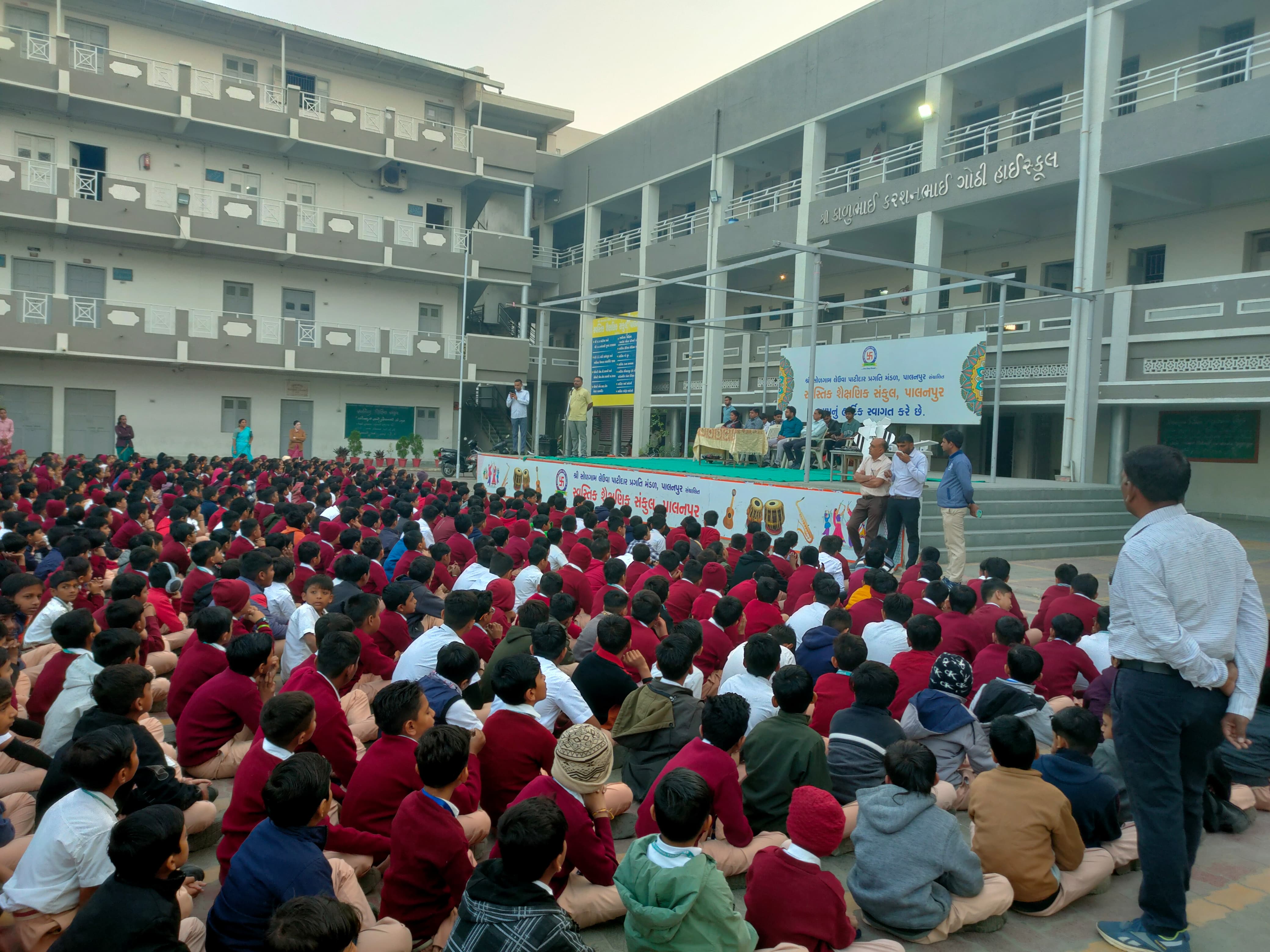
Live snapshots and video recordings documenting our drone demonstrations and hands-on laboratory sessions in action.
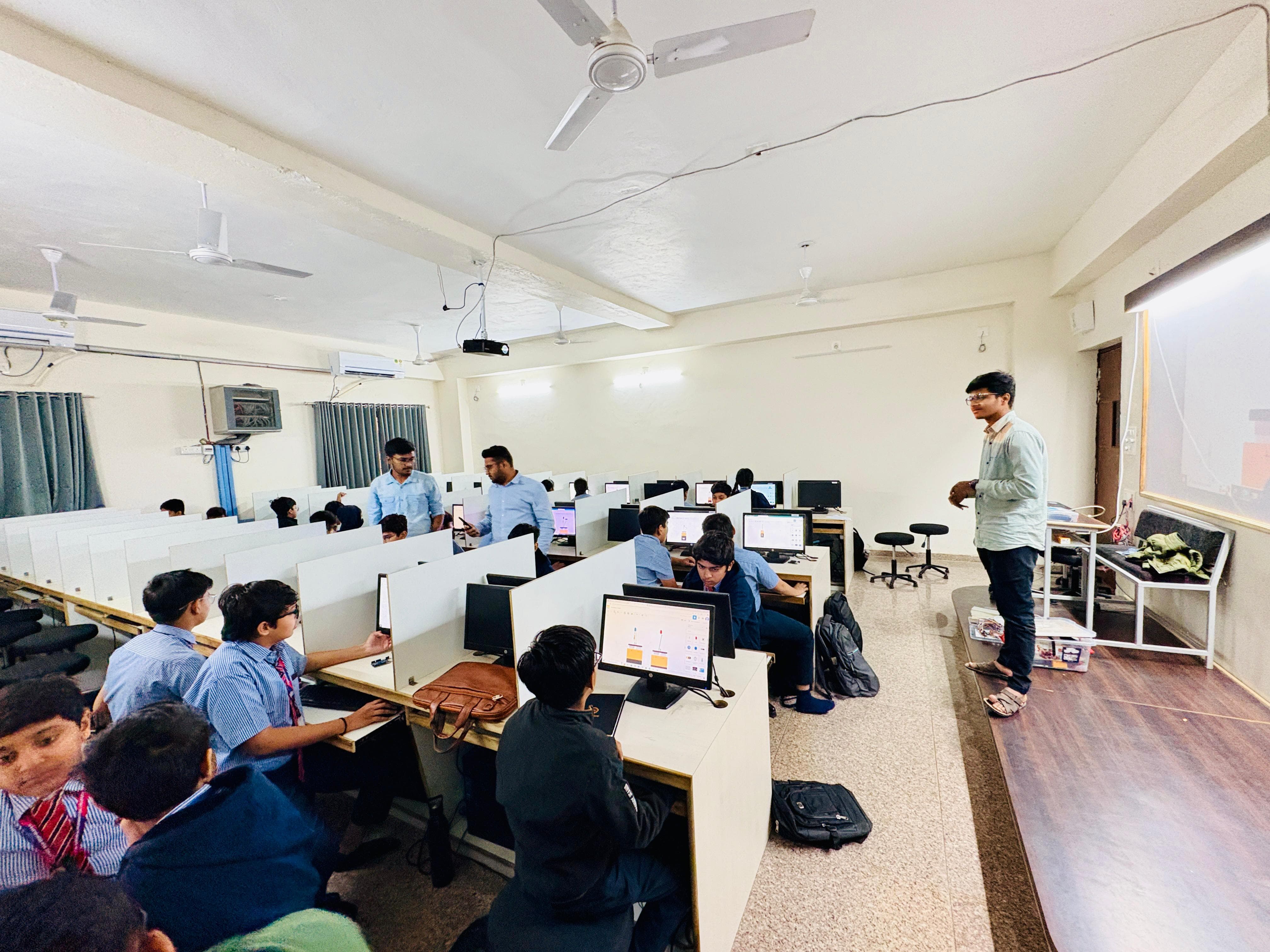
Drone Operations Showcase
Demonstrating commercial drone setups and flight controller integration to college trainees.
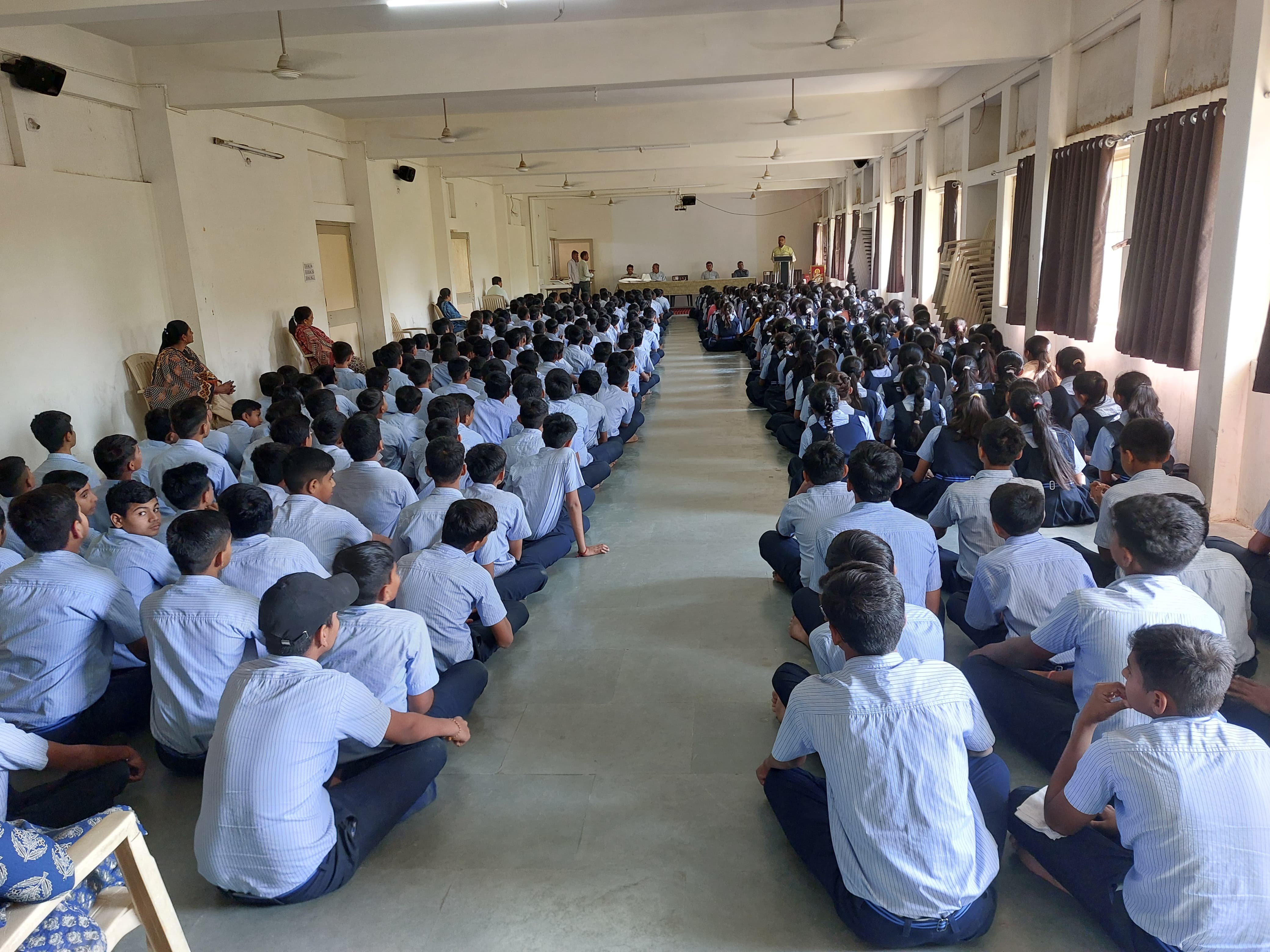
Aerodynamics Lecture
Explaining fluid velocity and thrust vectors to young thinkers using scaled wing models.
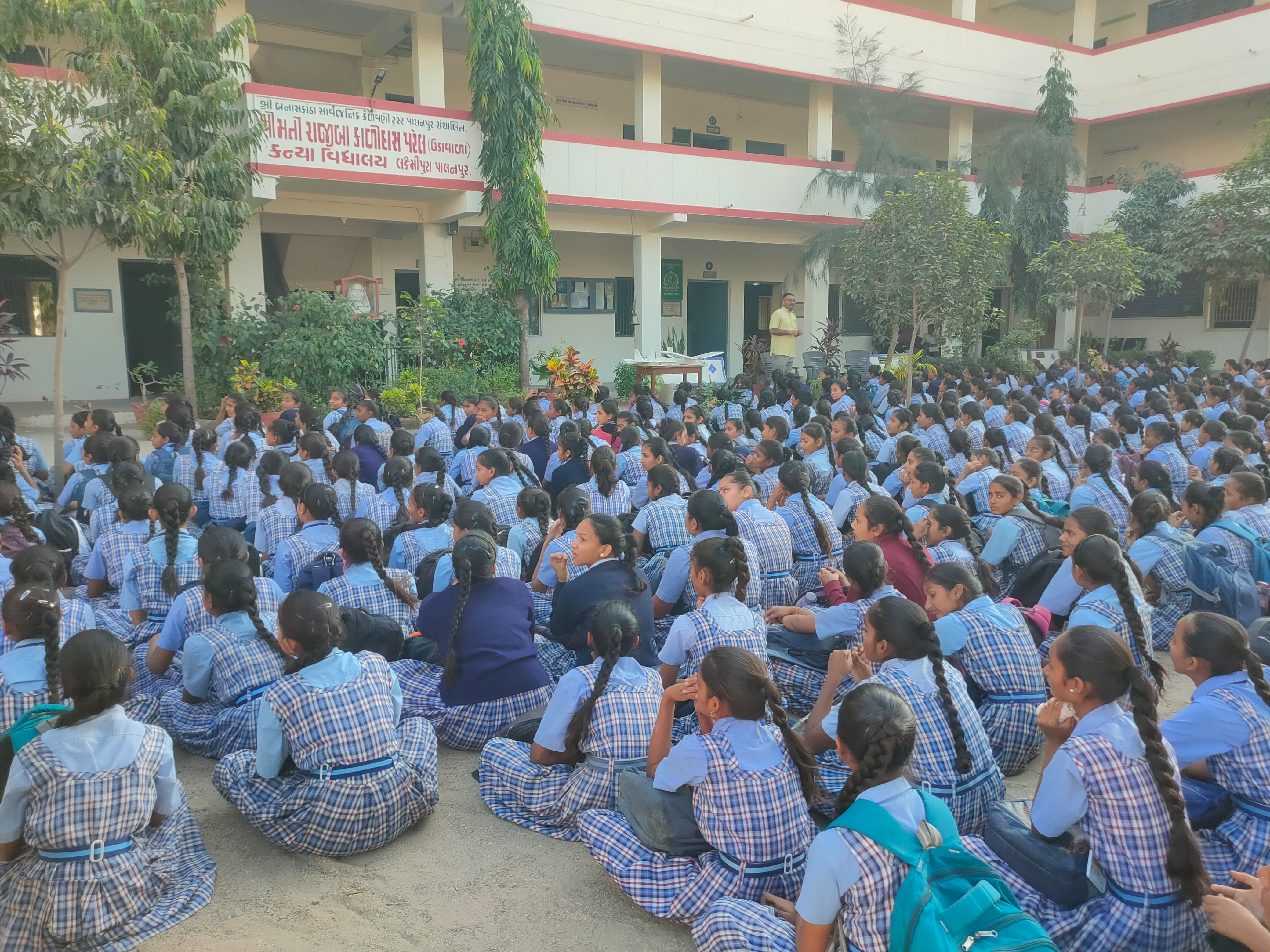
DIY Mechanics Lab
Students building gear models to see torque conversion and physical force leverage firsthand.
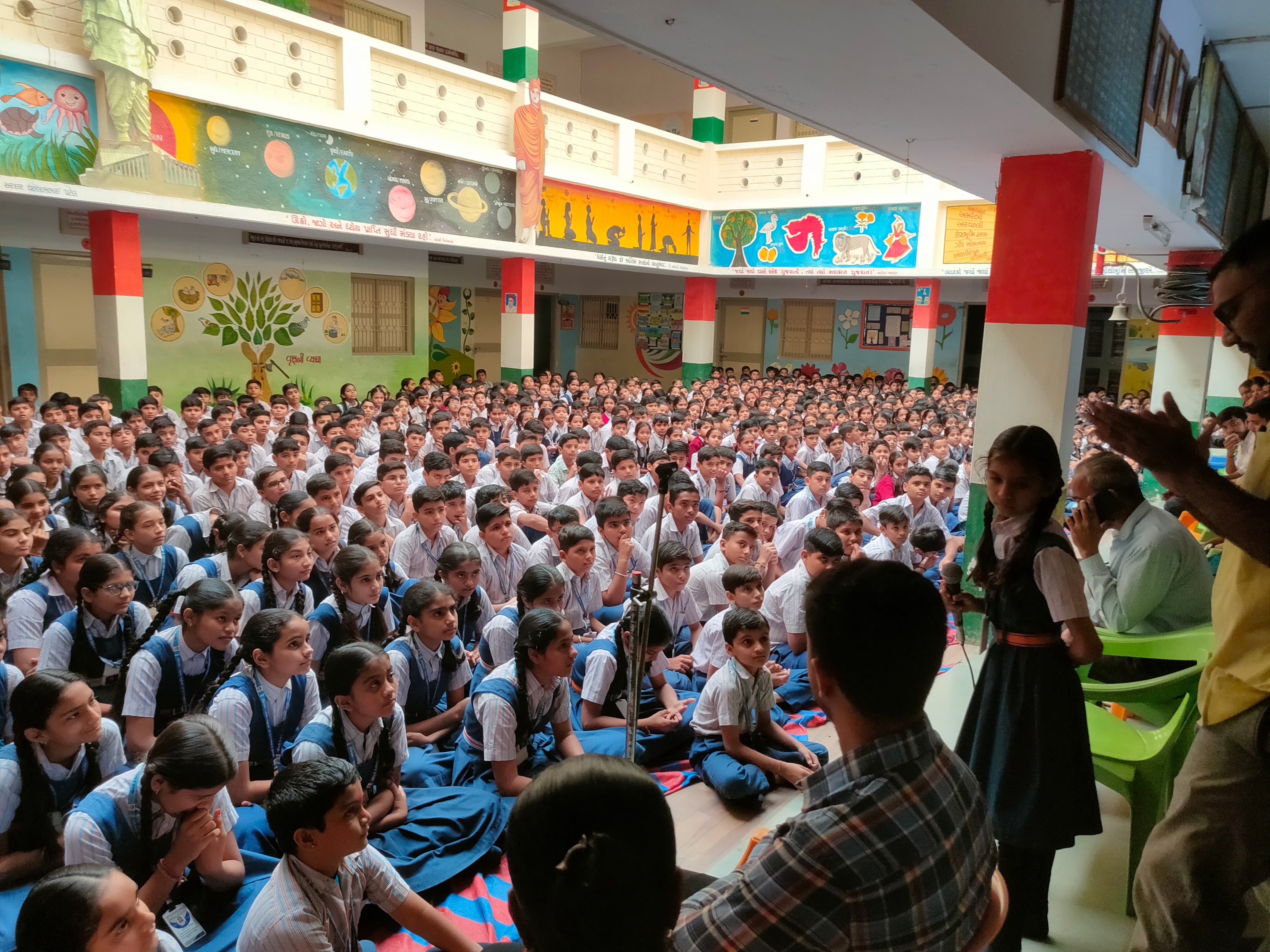
Sensor Circuit Prototyping
Wiring ultrasonic distance sensors onto wheeled robot chassis for navigation challenges.
Embedded Logic Coding
Writing threshold statements in C++ to automate smart light systems based on lux sensor input.
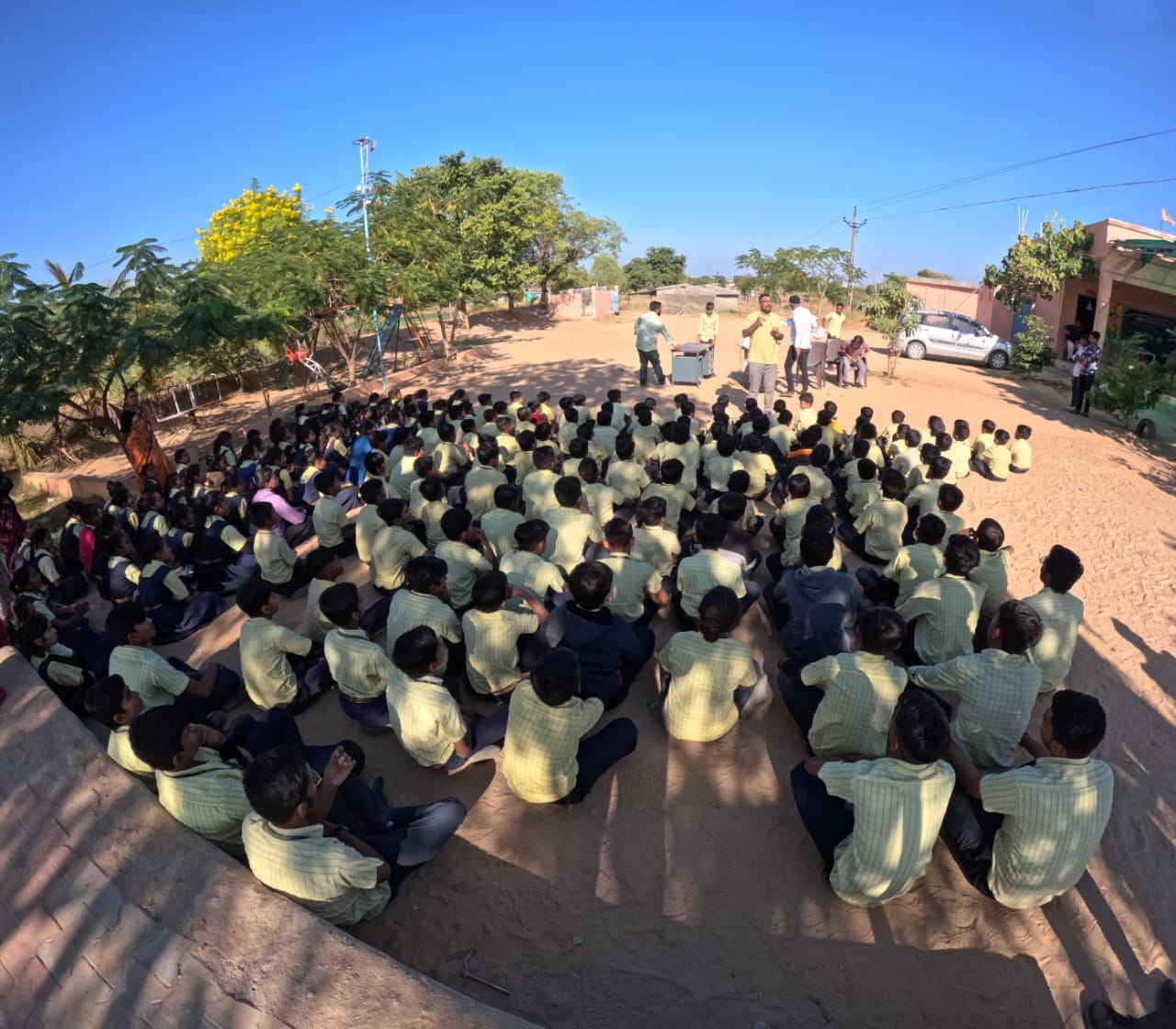
Collaborative Tinkering
Teamwork solving logic and wiring challenges during a timed drone setup sprint.
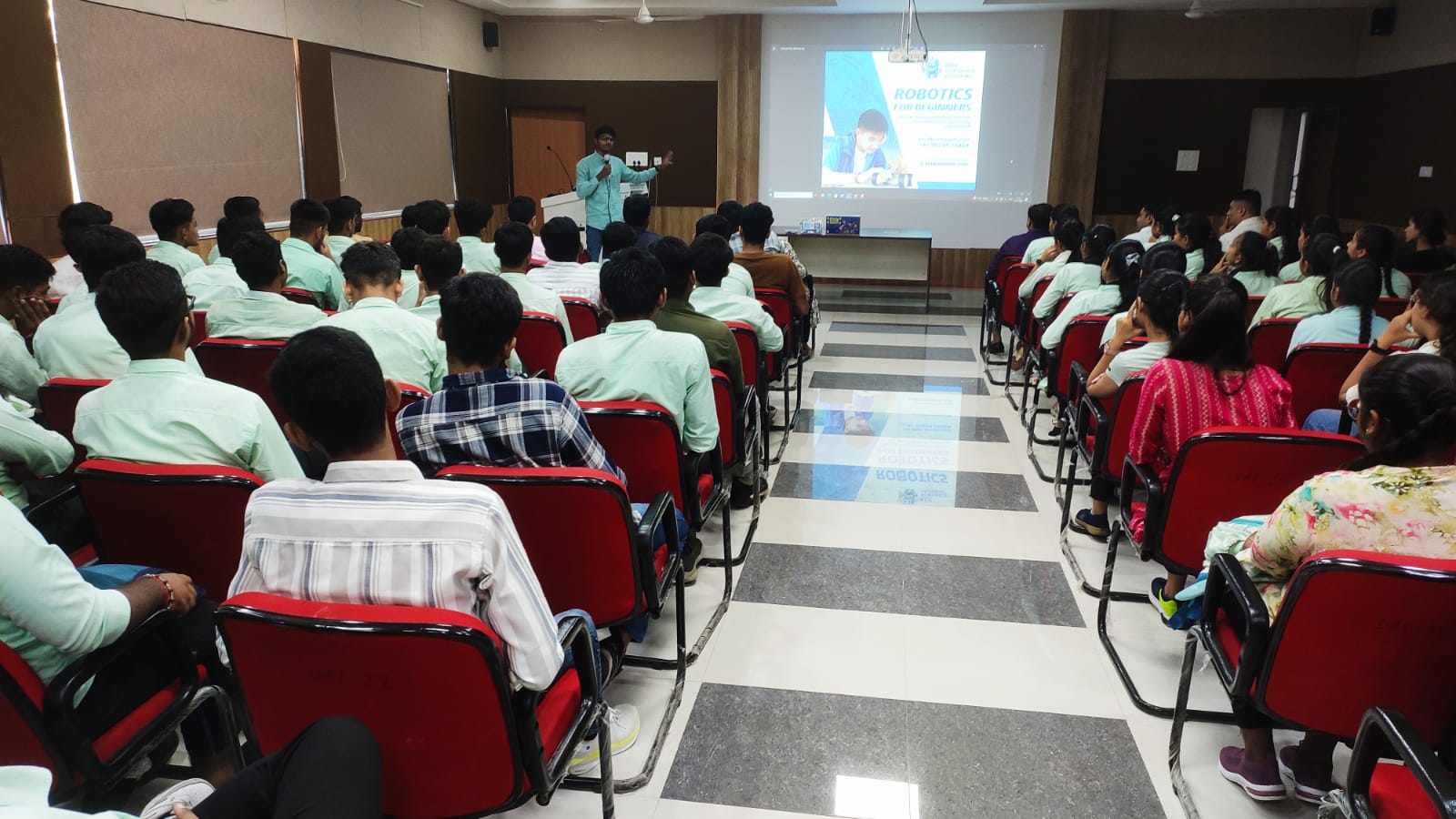
Aviation Expo Visit
Showcasing RC structural materials and propeller thrust optimization techniques.
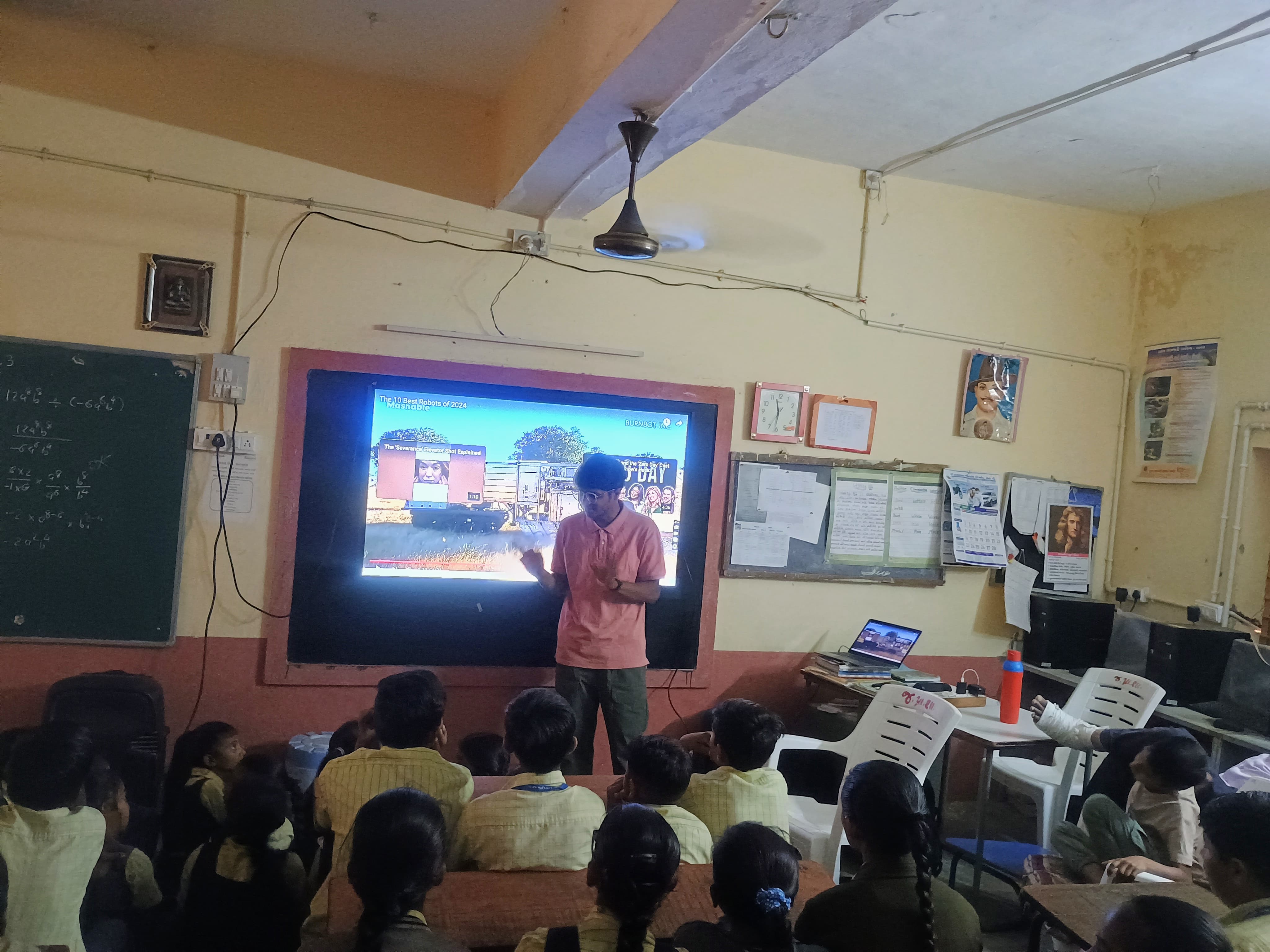
Neural Network Overview
A introductory lecture explaining weights, layers, and how computers classify digital images.
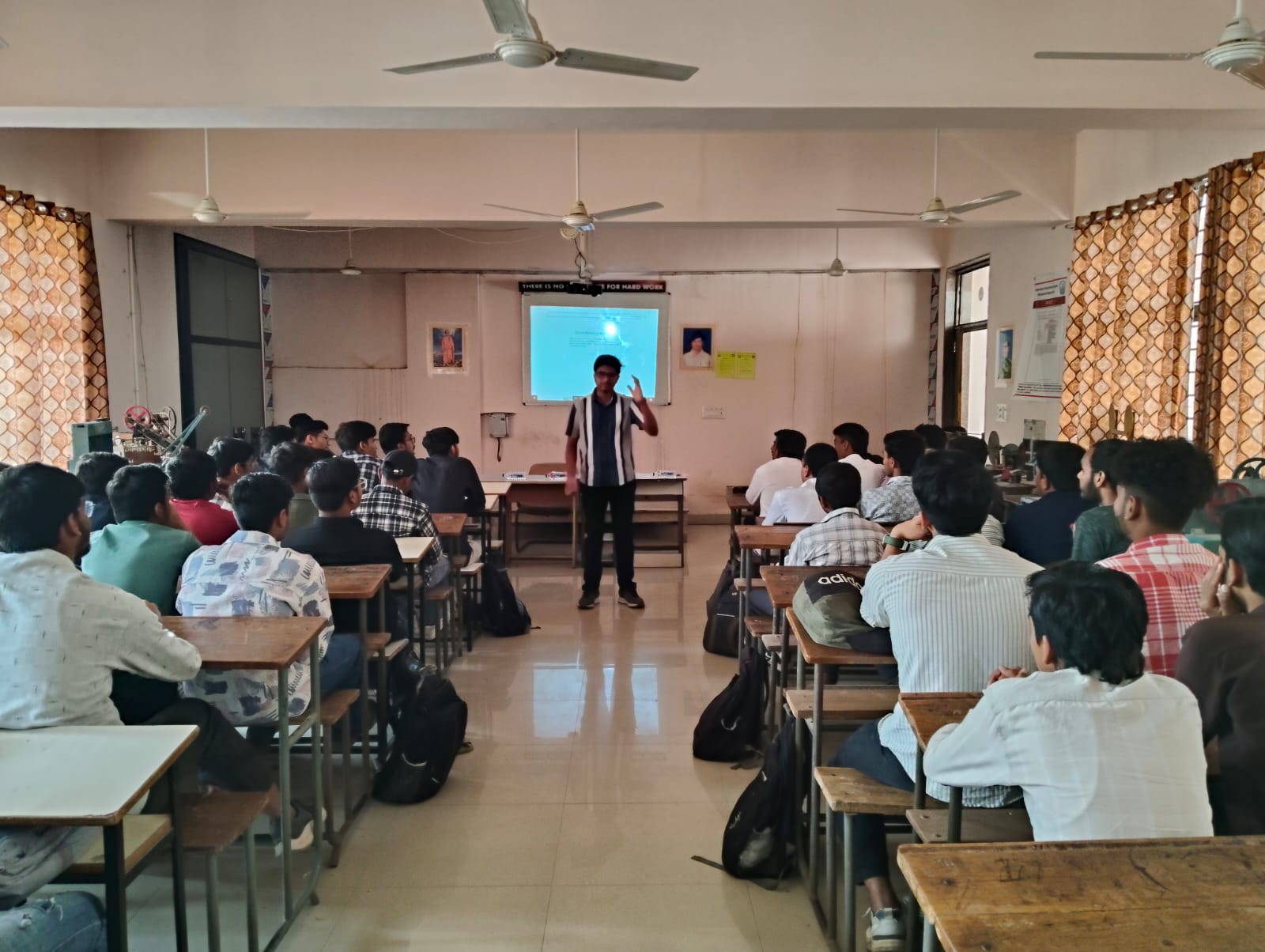
Project Showcase Prep
High school teams assembling their final automation prototypes to pitch to regional judges.
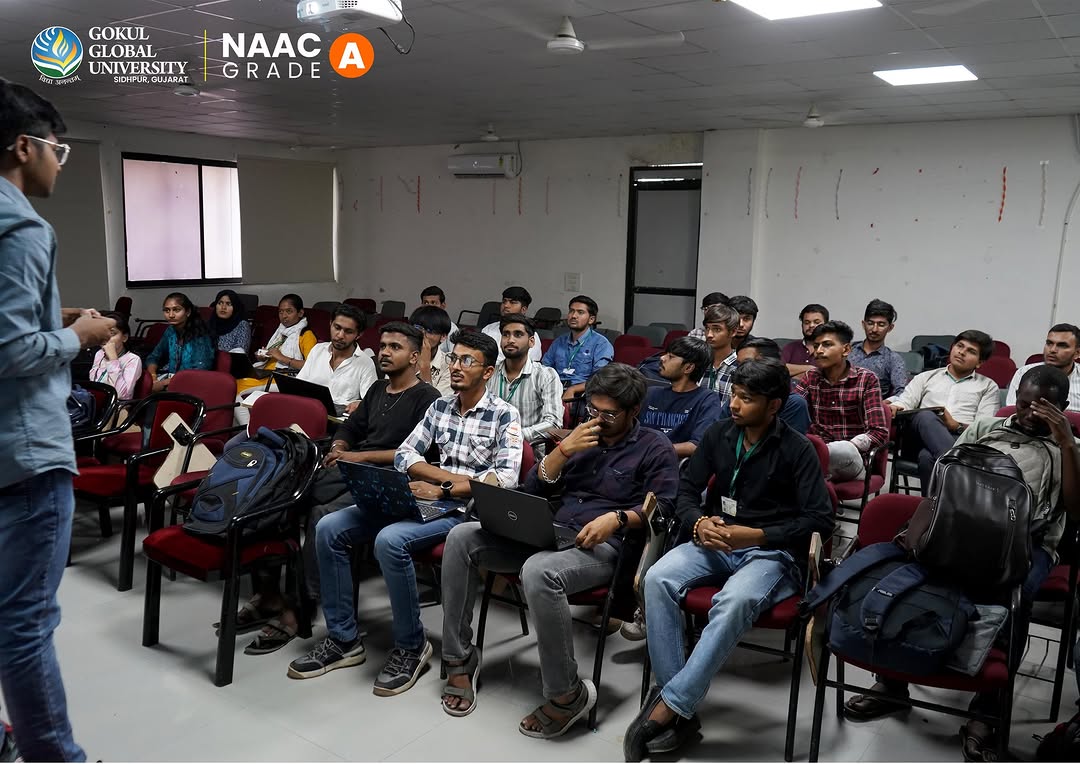
Future Tech Leaders
A group photograph celebrating the graduation of our intensive district robotics cycle.
Drone & RC Plane Flight Show
Outdoor demonstration of custom-built RC planes and remote piloting, capturing aerodynamic forces, acceleration, and flight maneuvers for high school students.
Hands-on Robotics Workshop Highlights
A compilation of student engagement during circuit building, microcontroller coding, and active diagnostics during our school training cycles.
Future Plan: Sustainable STEM Lab Ecosystem
Following the success of our awareness workshops, we are executing a systematic 9-step plan to establish permanent, donor-sponsored STEM Labs in regional schools.
School Survey
Conducting detailed physical audits of regional schools to assess existing resources, connectivity, space, and local student enrollment.
School Selection
Identifying the schools with the highest need and potential, prioritizing government-run institutions in rural/semi-urban clusters.
Coordination & Approval
Submitting formal proposals and securing permissions from the Education Department, local administrative boards, and district authorities.
Triparty MoU
Signing a formal Tripartite Memorandum of Understanding (MoU) between our organization, the school administration, and the CSR Donor.
Lab Setup & Branding
Procuring materials, setting up hardware workstations, and mounting dedicated Donor Name Plates to showcase CSR contribution.
Teacher Training
Conducting structured Train-the-Trainer (TTT) courses for science/computer teachers to ensure labs are integrated into the curriculum.
Monitor Progress
Implementing regular monitoring routines, troubleshooting technical issues, and validating lab usage metrics weekly.
National Level Events
Preparing and mentoring outstanding student teams to participate and pitch their prototypes in national robotics & AI hackathons.
Monthly Reporting
Providing full transparency to our CSR donors with detailed monthly audits, inventory usage status, and student success stories.
Solving UN Sustainable Development Goals (SDGs)
Empirical research proves that grass-roots technology skill-development resolves multiple core SDG bottlenecks simultaneously.
Quality Education
Translating theoretical science concepts into tangible DIY projects, improving retention and technical understanding.
Gender Equality
Providing equal engineering access, leading to our record-breaking 47.7% girl student participation.
Decent Work
Building high-value digital and electronic engineering capabilities, preparing youth for modern jobs.
Industry & Innovation
Spurring original hardware prototyping and aligning with India's SSIP frameworks to create young startup founders.
Reduced Inequalities
Closing the digital opportunity divide between elite metro schools and rural/semi-urban government schools.
Institution-wise Student Breakdown
Gender Demographics
Outreach Registry & Analytics
The verified data below lists all institutions covered in Banaskantha District and adjoining regions during the current phase.
| Institution Name | Total Students | Girls | Boys | Education Level |
|---|---|---|---|---|
| Adarsh High School | 180 | 80 | 100 | School (High) |
| Expert Academy Deesa | 180 (180) | 80 | 100 | School (High) |
| Gokul Global University | 145 | 50 | 95 | University |
| Government Polytechnic Palanpur | 185 | 30 | 155 | Diploma College |
| Hetiba Primary School | 285 | 130 | 155 | School (Primary) |
| Jaspuriya Primary school | 75 | 40 | 35 | School (Primary) |
| K D Politechnic Patan | 63 | 4 | 59 | Diploma College |
| PM Shri K.M. Choksi High School,Palanpur | 180 | 80 | 100 | School (Primary) |
| PM Shri Malana pay center school | 150 | 60 | 90 | School (Primary) |
| Rotary Club, Deesa | 410 | 190 | 220 | Community Hub |
| Rajiba Girls Highschool | 374 | 374 | 0 | Girls School |
| Robotics workshop 18-04-2026 beerobokids | 430 | 210 | 220 | Special Workshop |
| Shri Ram VIdyalaya | 200 | 80 | 120 | School (High) |
| Silver Bells | 600 | 280 | 320 | School (High) |
| Swastik High School | 250 | 110 | 140 | School (High) |
| Swastik Primary School | 350 | 160 | 190 | School (Primary) |
| Vidyamandir Trust,Palanpur | 520 | 230 | 290 | Educational Trust |
| Vidyamandir Malan Primary School | 150 | 70 | 80 | School (Primary) |
| Agriculture University, SDAU, Dantiwada | 320 | 150 | 170 | Agricultural University |
Nurture STEM Pioneers to Power India's Future
Having reached over 5,000+ students in Banaskantha district, we are now scaling to implement permanent lab facilities with the ambitious goal of impacting 2 Lakh (200,000) students over the upcoming 5 years. We earnestly request your help and invite you to partner with us under your corporate social responsibility (CSR) program. By establishing this vital laboratory infrastructure, your brand will leave an enduring footprint on the lives of these future innovators.
- Standardized Lab naming and brand plates matching donor specifications.
- Full regulatory compliance and quarterly audit reports.
- Structured coordination with District Education Authorities.
Let's Connect & Collaborate
Open our formal CSR funding proposal or download the documentation.
View Interactive CSR Proposal Contact Us on Website Get Markdown Document